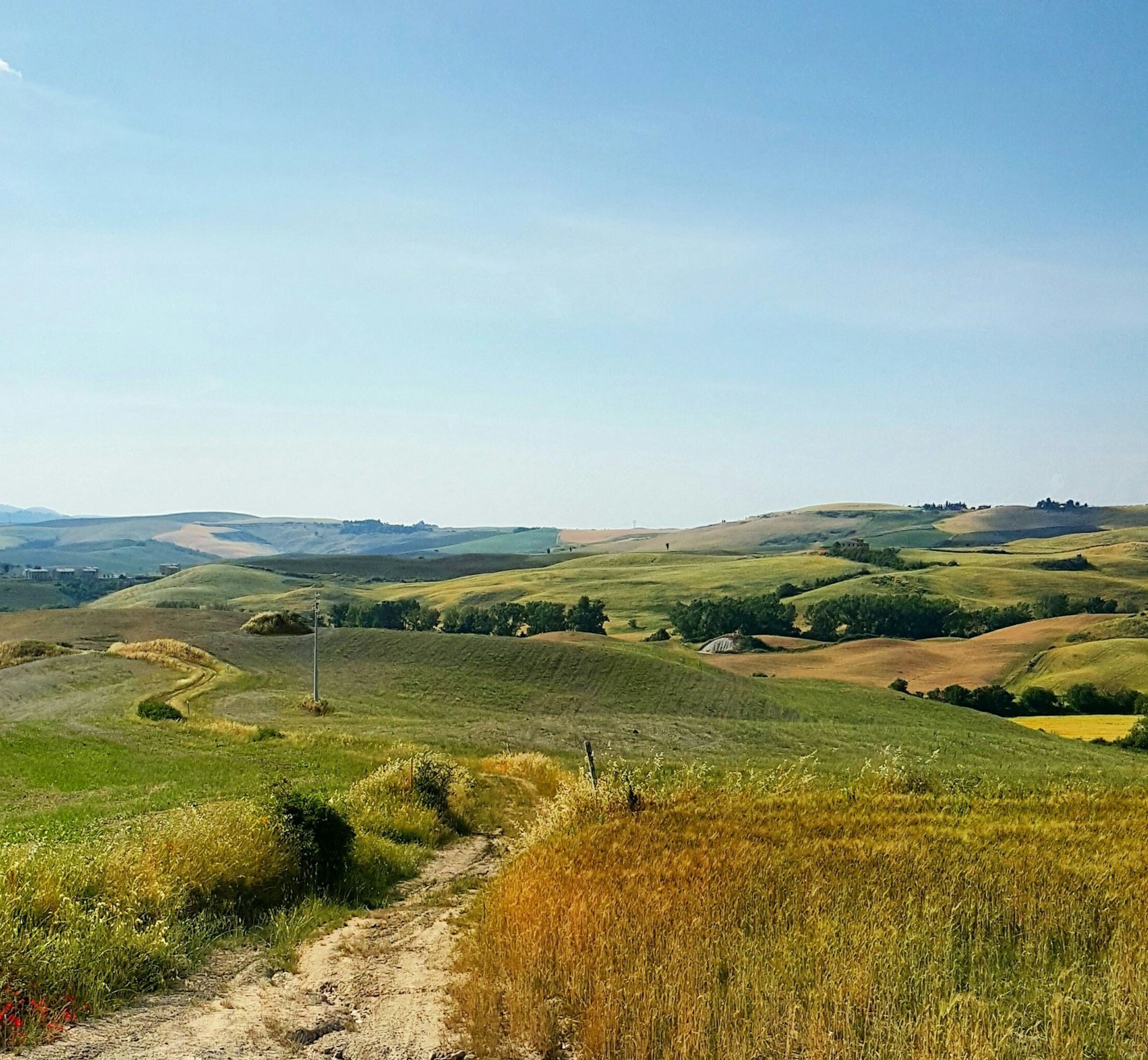
landscape with fields and hills
Empowering rural communities to act for change

Peer-to-peer exchange in Fiastra Valley

March 2026

In the Fiastra Valley region, the peer-to-peer exchange was designed as an immersive learning experience aimed at strengthening collaboration and knowledge sharing among project partners and rural stakeholders. By showcasing a range of successful initiatives implemented in Val di Fiastra, the exchange provided concrete examples of how local innovation, community engagement and strategic partnerships can address the complex challenges faced by rural areas.

At its core, the exchange sought to facilitate the transfer of knowledge and practical experience, enabling participants to gain insights into effective approaches that can be adapted to their own regional contexts. It also offered an opportunity to discover the unique identity of Val di Fiastra, its villages, traditions and the people who contribute to the vitality of the territory, highlighting how local characteristics can be leveraged for sustainable development.

Furthermore, the initiative aimed to inspire the replication or adaptation of these practices in other rural regions experiencing similar demographic and socio-economic challenges. Particular attention was given to understanding the governance models, partnerships and innovative processes that have been successfully activated in the area, as well as exploring strategies to engage a diverse range of rural actors, including municipalities, associations, professionals and civil society organisations.
Presented solutions

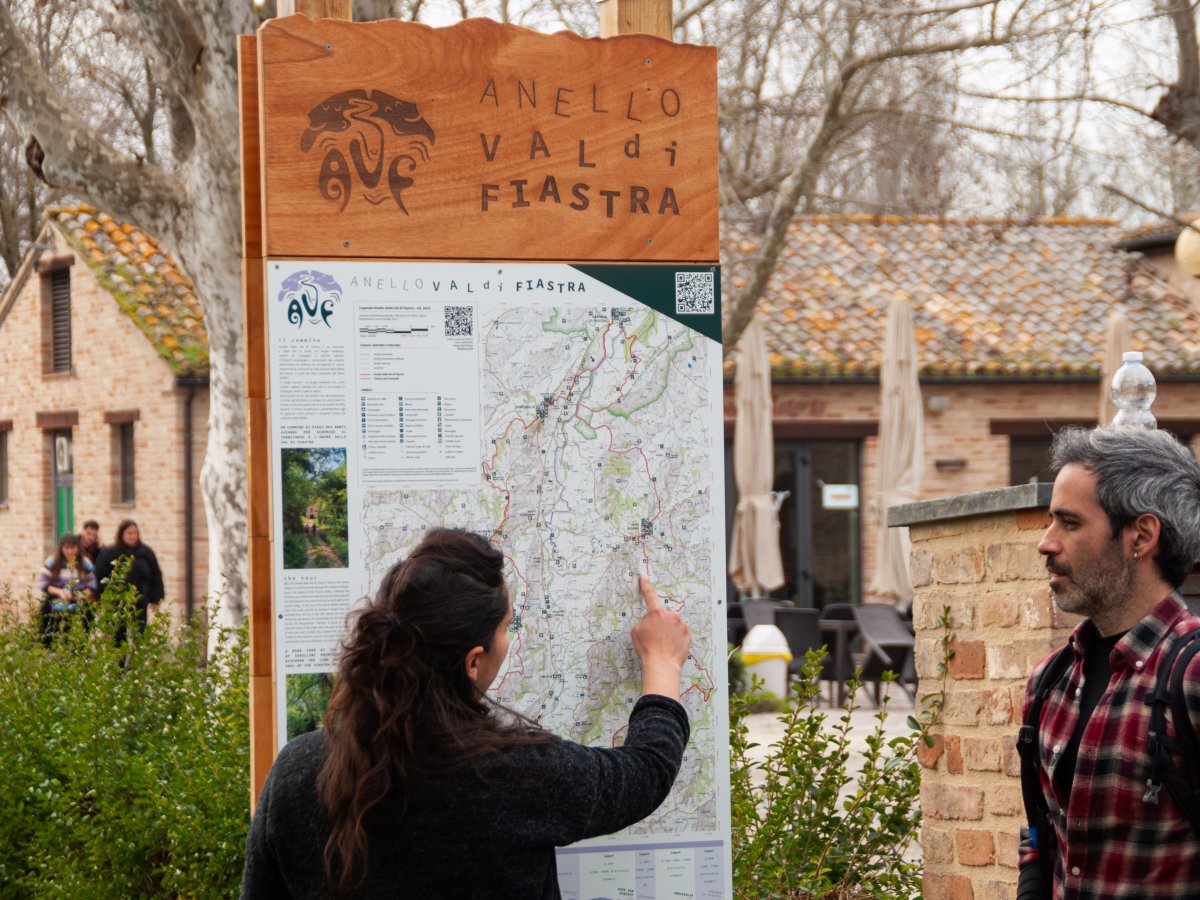
Anello Val di Fiastra
Mobile Unit Errante

Local stakeholders involved in the peer-to-peer exchange

A broad coalition of stakeholders participated in or supported these site visits:

  1. Municipality of Loro Piceno: Represented the municipality in welcoming participants during the peer-to-peer exchange and highlighted the local authority’s involvement in ongoing RURACTIVE-related initiatives in the region.
  2. The Val di Fiastra Ring Working Group: Presented the Val di Fiastra Ring initiative and guided participants through its development, objectives and implementation as a territorial biodiversity and landscape trail.
  3. A botanical expert and researcher at Sapienza University of Rome, provided scientific guidance during the biodiversity walk, introducing local plant species and demonstrating the use of digital tools such as the iNaturalist app for environmental observation and documentation.
  4. Meridiana: a tour guide company specialising in environmental education, based at Abbadia di Fiastra, dedicated to promoting and highlighting the local cultural heritage. They hosted participants at Abbadia di Fiastra and supported the organisation of activities.
  5. Inabita Laboratorio Territoriale: a research and design studio focused on urban regeneration. They supported the organisation of activities and explained the development process behind local infrastructure initiatives presented during the exchange.
  6. ANFFAS Sibillini: an association of families of young people with intellectual disabilities whose goal is to ensure their right to build their own future in a world that welcomes them. Both educators and young people with disabilities helped with the logistical organisation of the activities.
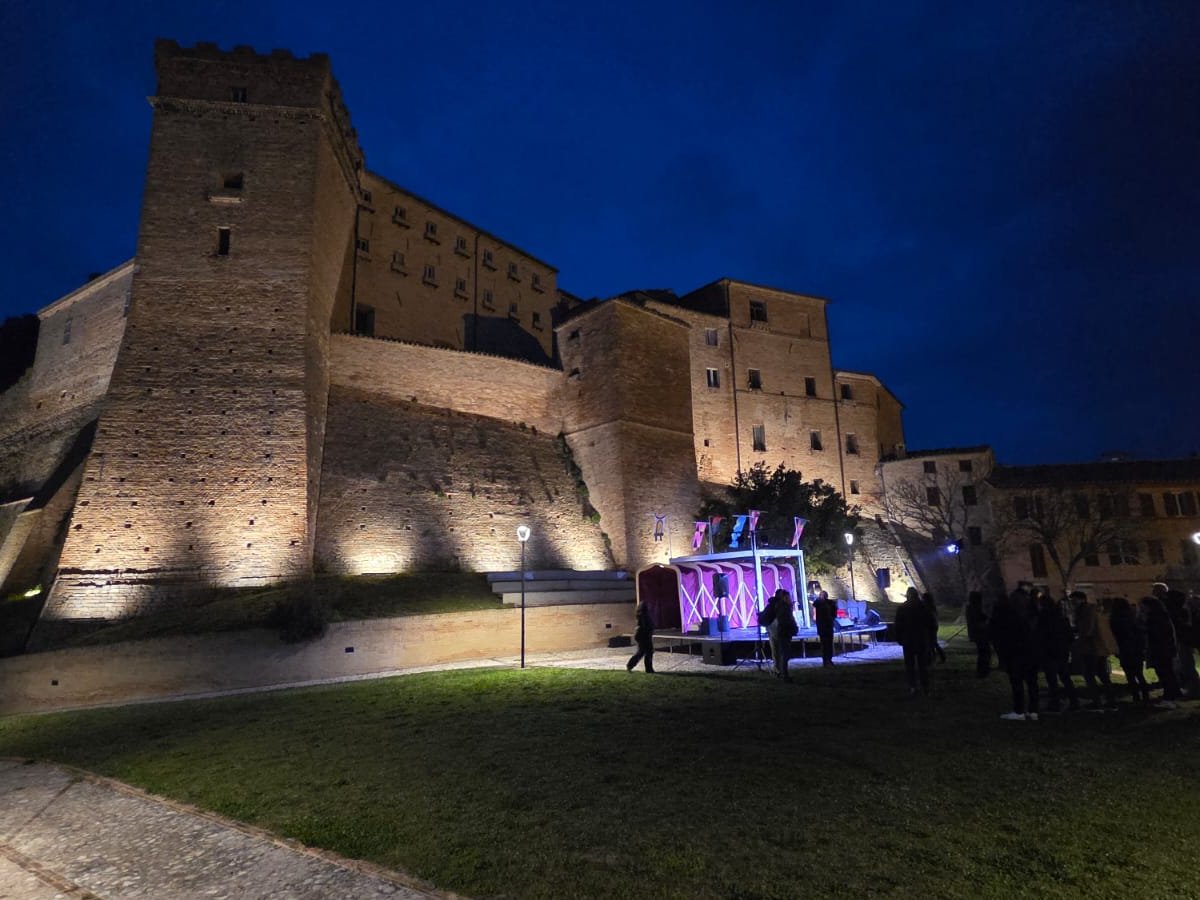
  7. Ultracolli: a local organisation that helped to organise the concert by setting up the venue, providing sound services and handling logistics.
  8. Vincanto: Marche-based folk group that interprets and promotes the musical, vocal and rhythmic heritage of the Marche region. They held a concert and presented traditional local songs, using local instruments.

Peer learnings and insights

Tina Pawlakowitsch and Thomas BöhmSüdburgenland (Austria)
Massimiliano D'InnocenzoAbruzzo (Italy)
Dimitra PapaioannidouZagori (Greece)
Natalya VoloshynZakarpattya, Ukraine
Daniel MuirNorth-East Scotland (UK)
Therese WilhelmssonGotland (Sweden)
José Angel CasasZamora (Spain)
Vera NikolovaAndalucía (Spain)