We use cookies on our website. Cookies help make the website more user-friendly, efficient, and secure.
Please select your cookie preferences
Strictly necessary cookies (always active)
Strictly necessary cookies are cookies required for the website to function and provide the basic information requested by the website user. These cookies are not used for tracking users.
YouTube cookies
YouTube cookies allow the playback of YouTube videos directly on our website. When YouTube cookies are used personal data or connection information, such as the IP address, may be transmitted to YouTube. By accepting YouTube cookies, you consent to the transfer of this data to YouTube. Please see our privacy policy for more information.
Peer-to-peer exchange in Scotland
June 2026
This peer-to-peer exchange in North-East Scotland took place alongside the RURACTIVE Masterclasses, bringing together project partners to explore solutions and initiatives that are helping rural communities address local challenges and opportunities. Hosted by GrowBiz Scotland and the James Hutton Institute in the Perth & Kinross region, the exchange provided participants with insights into the progress of developing and implementing place-based solutions within the RURACTIVE project.
The visit showcased a range of existing and emerging initiatives focused on supporting rural communities, businesses and local economies. Participants learned about innovative approaches being developed to address challenges facing the agricultural sector, including the use of technology and research to respond to the impacts of climate change. They also explored initiatives designed to strengthen local food systems, support creative enterprises, promote responsible tourism, and improve access to local products, services and visitor information.
The exchange highlighted the importance of GrowBiz's clustering and community-based approach to enterprise support and how this is helping to create vibrant rural communities and strengthen the rural economy in Scotland. It also showcased how advancements in technology are driving much of the research being undertaken by the James Hutton Institute to help address real-world challenges faced by people living and working in rural areas. Finally, it highlighted the importance of collaboration across stakeholders for the benefit of the wider community and rural economy.
Presented solutions
Grazewatch 2000
Grazewatch 2000
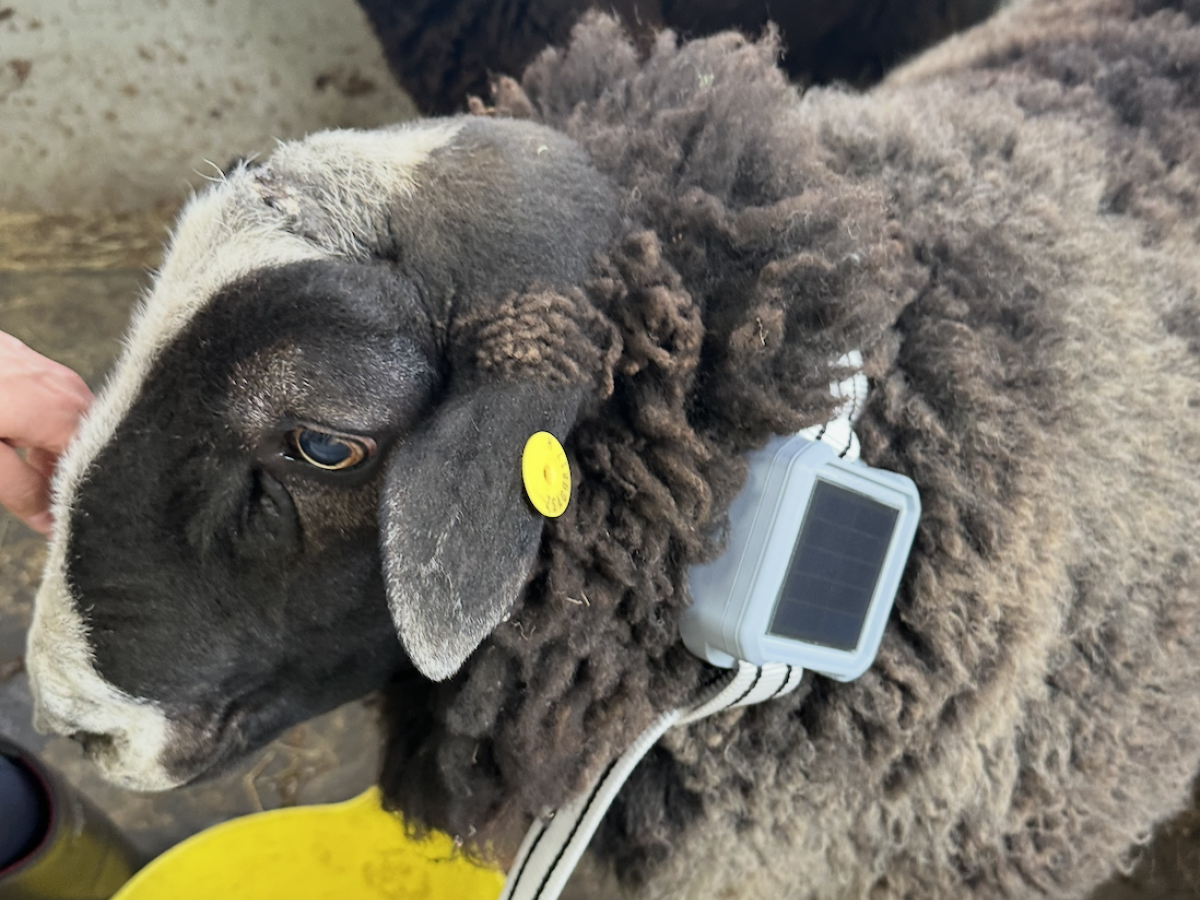
This innovator-led solution, implemented within RURACTIVE by the innovation team Moofind, is part of the RURACTIVE Open Call for Innovators. The GrazeWatch 2000 is a GPS tracking collar to monitor livestock and an app to select the best pastures for grazing.
Online Marketplace for food and drink (Your Local Larder)
Online Marketplace for food and drink (Your Local Larder)
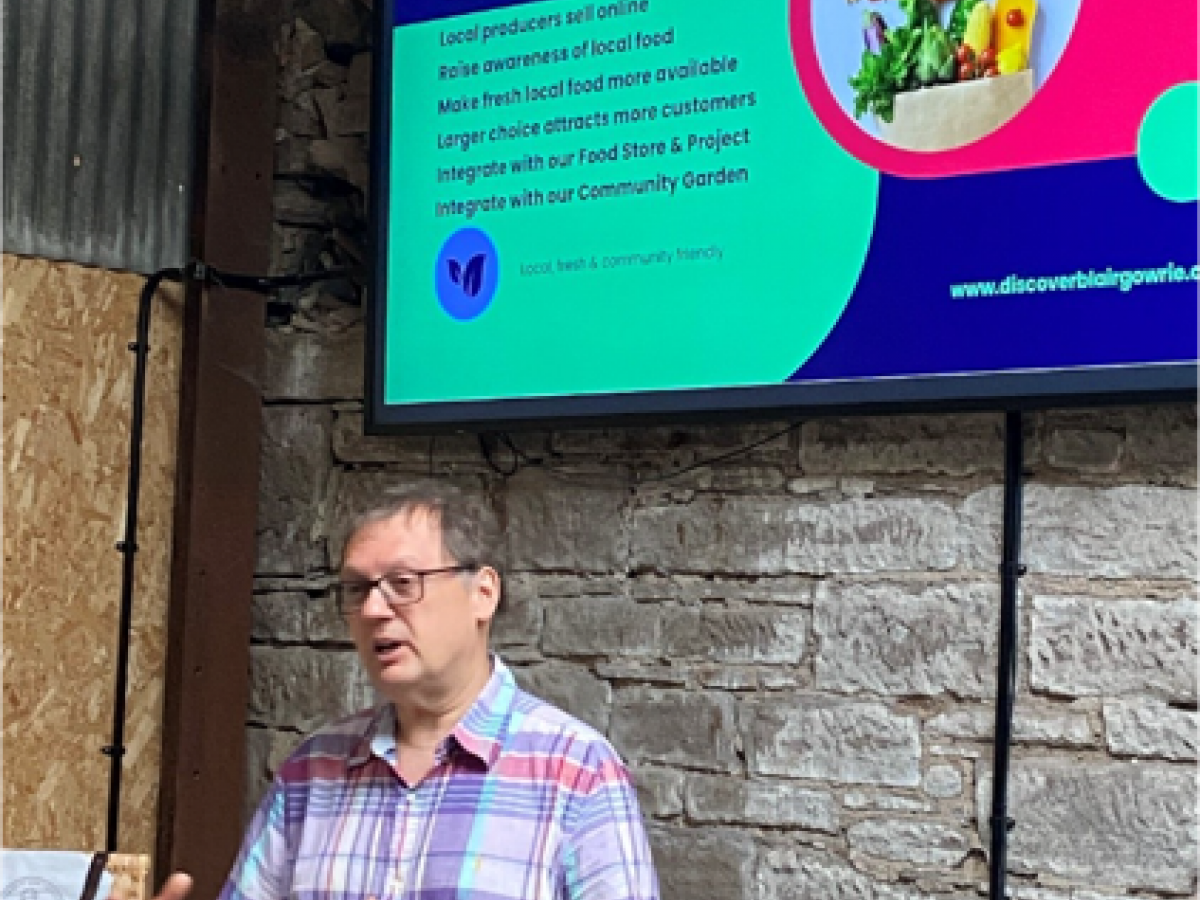
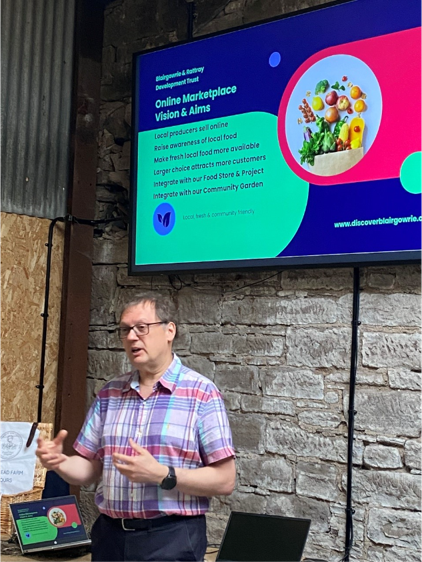
This place-based solution, developed within RURACTIVE, is the ongoing development of an online marketplace for local food and drink producers in Perth & Kinross, building on the BaRI Store model and inspired by initiatives such as 'Neighbourfood' launched during the Covid-19 pandemic. The approach aims to strengthen access to affordable, healthy and locally produced food for both residents and visitors in rural communities.
The emerging platform, currently being developed and refined, will enable producers with licensed retail outlets, from farm honesty boxes to farm shops and other local vendors, to list and sell their products through a shared online marketplace. Customers will be able to browse and order locally produced food and drinks via a web-based system and collect them from convenient pick-up points across the region.
Perthshire Artisans is a community of artisans who run creative businesses in the Perth & Kinross region of NE Scotland. To be part of the community, which exists in, in person and online forms, artisans apply to a professional panel for membership. The panel then assesses the applications and selects artisans, resulting in a curated platform.
The aim of Perthshire Artisans is to:
build a strong brand and community of members who share information, knowledge and provide peer-to-peer support,
promote the artisans, their creative processes and products to the wider public,
provide a curated, ecommerce platform for the artisans to sell their products.
It is part of the RURACTIVE solution catalogue, with a full solution factsheet available here.
This place-based solution, developed within RURACTIVE, is the ongoing development of an illustrated map and visitor guide for the Perth & Kinross region of Scotland, designed to promote responsible and sustainable tourism across the region. Created by a local artist, the physical map helps day and overnight visitors orient themselves within the region, discover nearby attractions and access additional information through links to regional tourism websites and resources. By encouraging visitors to explore beyond the main tourist destinations and make additional stops in rural communities, the initiative supports local businesses and helps distribute tourism benefits more evenly across the region. At the same time, it promotes authentic cultural and nature-based experiences, ensuring that local heritage, traditions and places are represented and valued in ways that reflect the perspectives of the communities themselves.
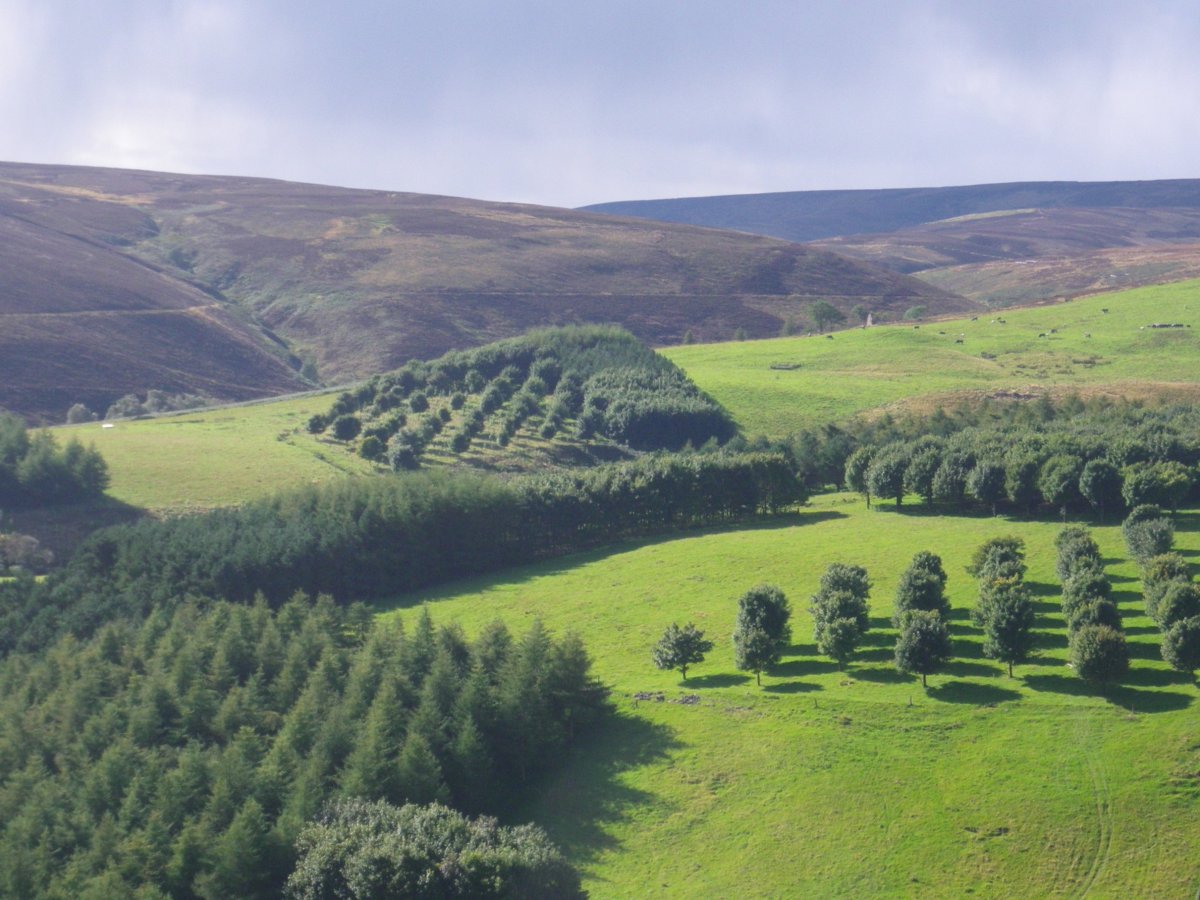
Glensaugh Farm is home to the James Hutton Institute’s Climate-Positive Farming Initiative, a transformational approach to upland agriculture that aims to achieve net-zero, or even negative, carbon emissions while also protecting and enhancing the natural assets of the farm and ensuring long-term financial sustainability.
The farm covers just over 1,000 hectares and supports sheep, cattle and red deer across a mix of improved and extensive pastures. The Highland Boundary Fault runs through the site, creating two distinct geological zones.
Around 17% of the farm is currently woodland, which is being actively managed and expanded to support carbon storage, biodiversity and wider environmental benefits, in line with UK and Scottish Government climate goals. As a research farm for more than 80 years, Glensaugh plays a key role in testing and demonstrating innovative land management practices. In the context of agriculture’s contribution to greenhouse gas emissions and its exposure to climate change impacts, the initiative focuses on developing practical pathways toward more resilient and sustainable farming systems.
Hutton’s research farms have long been at the forefront of innovation in land and agricultural practices, trialling and testing new farm methods, livestock and crops. Now, more than ever, they are needed to test and demonstrate transformative ways of managing our land.
Glensaugh Farm is also involved in additional research projects, including work on digital soil monitoring in the agrifood sector and part of the RURACTIVE solution catalogue.
Local stakeholders involved in the peer-to-peer exchange
A broad coalition of stakeholders participated in or supported these site visits:
GrowBiz’s Co-CEO presented on the GrowBiz model, Scotland’s rural economy and the importance of an organisation like GrowBiz, supporting micro, small and medium sized businesses, its people centred approach and initiatives that support clusters of businesses across different sectors.
Various Researchers from the James Hutton Institute presented their research and findings and the importance of working with the end users to develop innovative solutions that work in a real-world setting and overcome some of the challenges the end users face.
Development Officers from the Blairgowrie and Rattray Development Trust (BRDT) presented on their town is a business model and then provided an update on the development of the online food marketplace.
The lead of Great Perthshire, which is Perth & Kinross’s regional food group, spoke about the RURACTIVE project and how Great Perthshire food producers are working with BRDT to sell their produce via the online food marketplace.
The Chair of the Perth & Kinross Tourism Partnership spoke about the different organisations that form part of the Perthshire Tourism Partnership and how they have developed a Tourism Strategy for the Perth & Kinross region.
The tourism lead from Perth & Kinross Council spoke about some of the challenges the regions is facing in terms of tourism hot spots and overcrowding, as well as the need to provide the requisite infrastructure to meet increased demand.
Peer learnings and insights
Beata WolgersGotland (Sweden)
Beata Wolgers
Gotland (Sweden)
What is a key lesson or idea you learned from the activities and solutions presented?
The important role that local business networks (such as the GrowBiz Network) play in strengthening rural entrepreneurship. By creating a supportive environment where businesses can share knowledge and build confidence, they generate a cascading effect that encourages more local producers and entrepreneurs to establish and grow their businesses.
What impressed or inspired you most during the visit? Is there anything you would like to bring back to your community?
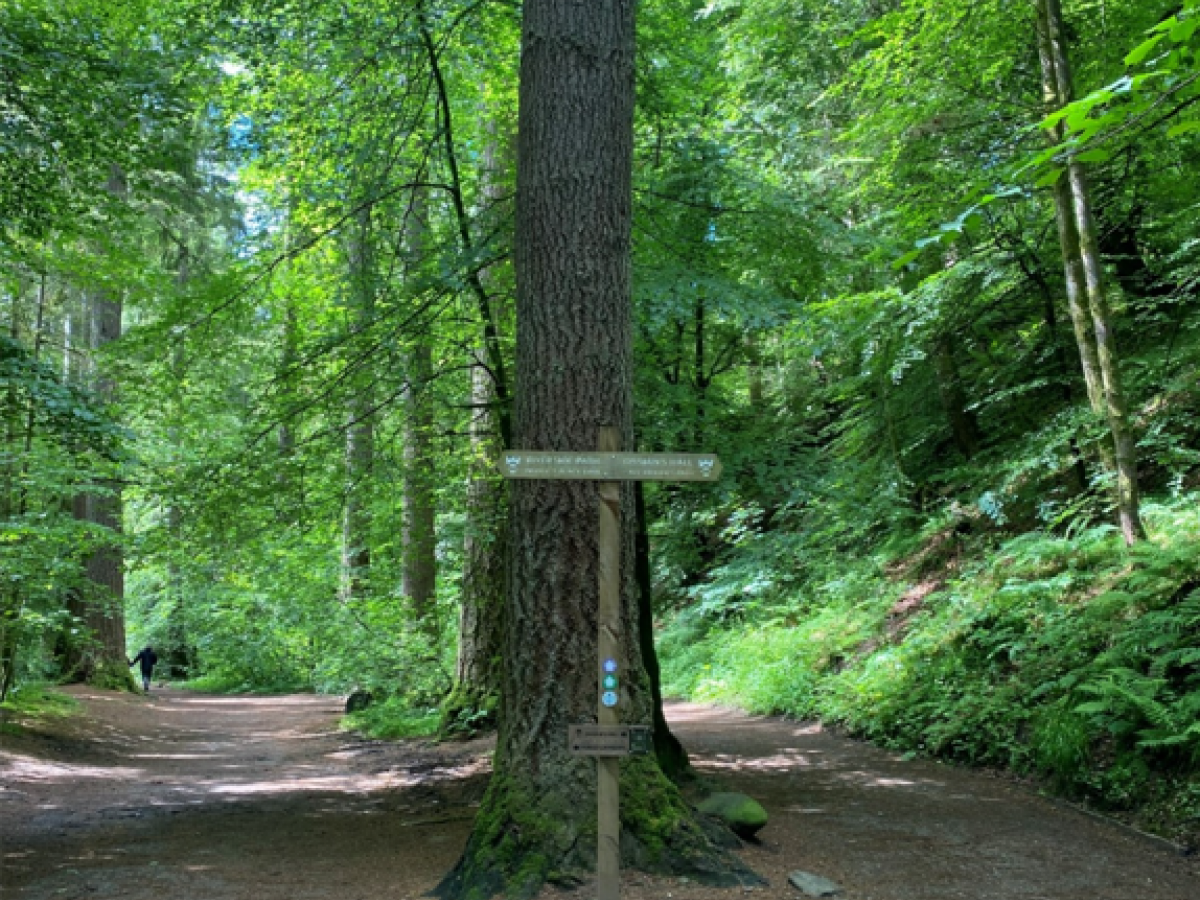
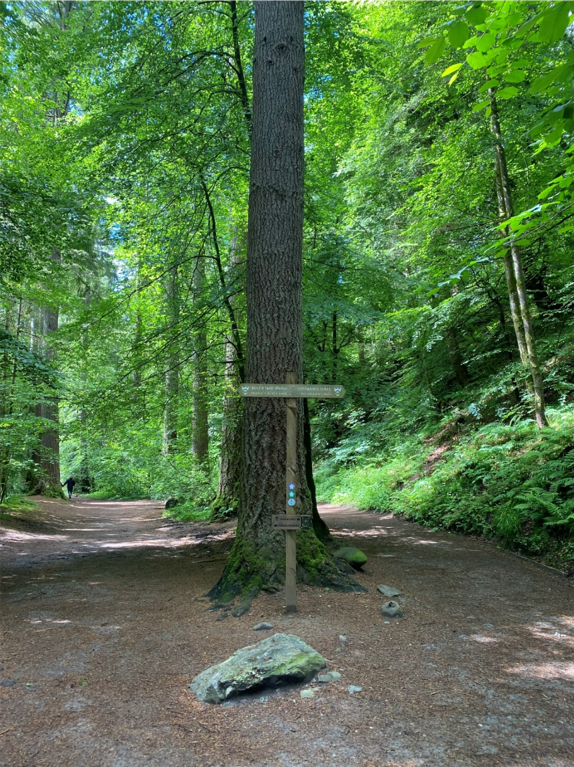
Our Dynamo (Gotland, Sweden) experiences an intense tourist season during the summer months, bringing challenges such as increased pressure on water resources and land use, the influx of seasonal businesses, and changing mobility patterns. Therefore, it was particularly interesting to learn about the Visitor Map and Guide for Perth & Kinross during the Hermitage walk. It inspired some thoughts on how to balance a growing tourism sector with the needs of local communities, ensuring that local interests are protected and nurtured.
Tyler Von Der HeydenUniversity of Bologna, Italy
Tyler Von Der Heyden
University of Bologna, Italy
What is a key lesson or idea you learned from the activities and solutions presented?
Innovation in rural areas shouldn’t be forced into isolated sectors like farming, tourism and culture. Instead, the strongest outcomes often come when sectors overlap and reinforce each other. The example of a family-run farm shifting from fruit to vegetable production, while simultaneously building a self-service shop for local producers, a dog park to attract visitors, and a hilltop sauna, shows how adaptive diversification creates resilience and value.
What impressed or inspired you most during the visit? Is there anything you would like to bring back to your community?
What stands out is the ability to reconfigure existing assets into new forms of value creation, focusing more on connecting stakeholders and layering complementary innovations around a shared rural context and vision.