Additional Dynamos Training on the RURACTIVE Methodology for Empowering Rural Communities
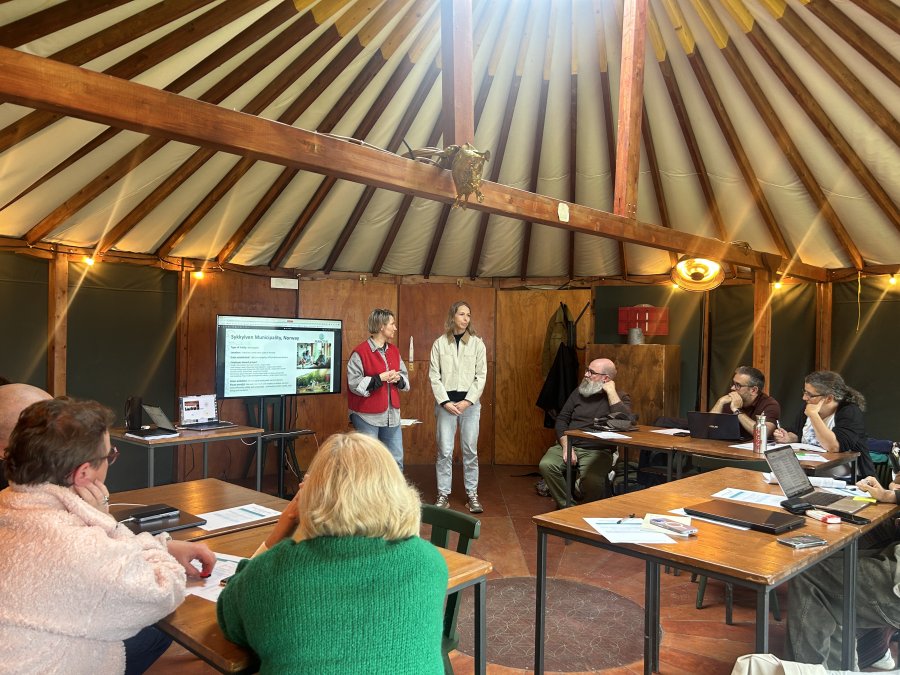
From 15-16 April 2026, representatives from RURACTIVE’s nine Additional Dynamos gathered in Monte Sole, Bologna, for a two-day training session focused on building inclusive Rural Innovation Ecosystems and implementing place-based co-development processes. The workshop brought together participants from across Europe for collaborative learning and practical workshop sessions guided by the RURACTIVE methodology for activating Rural Innovation Ecosystems for community-led development and empowerment. Structured in four main steps, the methodology was created and tested in the 12 RURACTIVE Dynamos over the past 32 months of the project. Facilitated by the University of Bologna coordination team, the training marked an important step in supporting the Additional Dynamos as they begin shaping innovative place-based solutions in their regions.
The workshop was hosted at ‘Il Poggiolo Rifugio Re_esistente’, a cultural and hospitality space located in the Monte Sole Historical and Natural Park in the Bolognese Apennines, an area of major historical significance. Originally built as a visitor centre, Il Poggiolo was reactivated starting in 2020 when Ozono Factory APS took over its management and began a process of regeneration that repositioned the space as a driver of cultural, social, and sustainable local development, later founding the Re_Esistente Cooperative, placing the concept of the common good at the centre of its work.
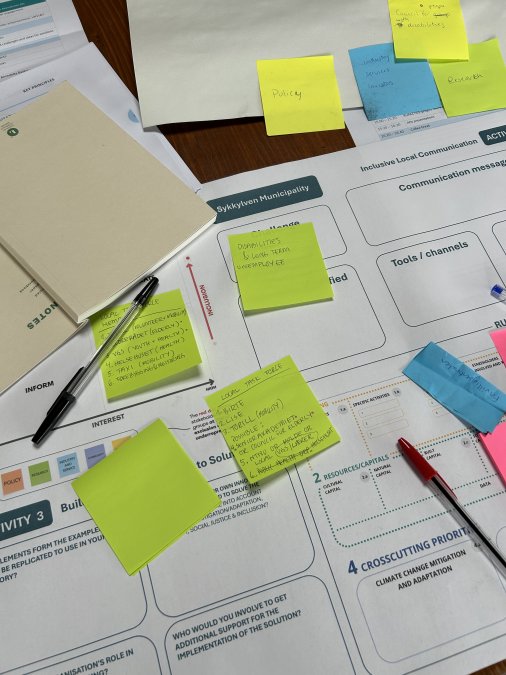
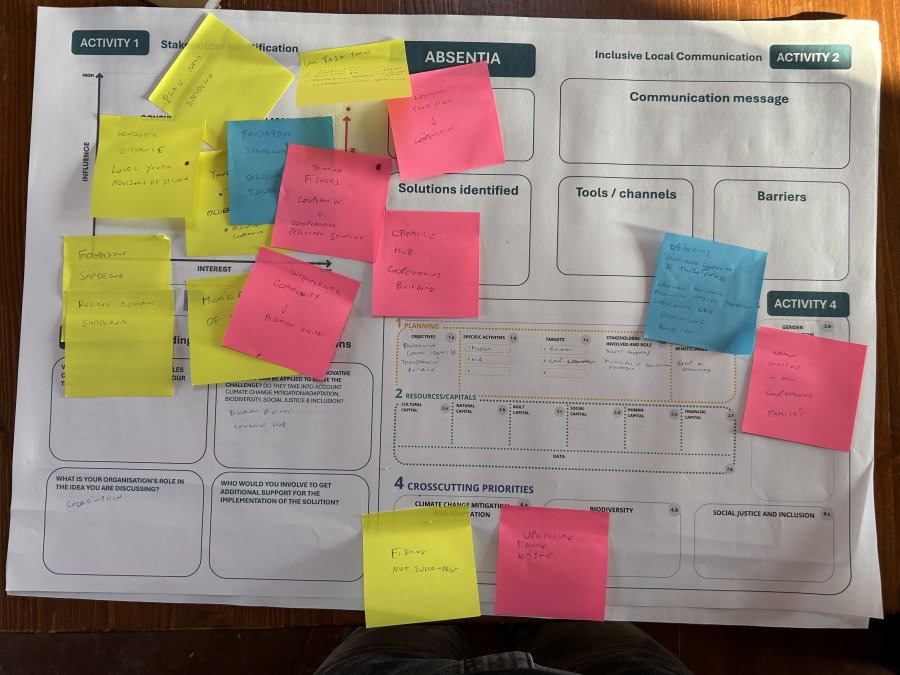
Over the two days, participants explored methods and tools to support stakeholder identification and engagement, create inclusive communication strategies, and empower just and innovative ideas. Through interactive sessions, the Additional Dynamos shared reflections on their communities, discussed the specific social, environmental and economic challenges they face, and exchanged approaches for building more inclusive processes that engage a broad range of local actors. A central focus of the workshop was on how to strengthen participation among groups at risk of exclusion and underrepresentation in decision making, while ensuring that innovation processes remain responsive to local needs and capacities. Sessions also explored RURACTIVE’s cross-cutting priorities, prompting reflection on how climate change mitigation and adaptation, biodiversity, and social justice and inclusion can be embedded throughout solution development rather than treated as standalone considerations.
The training encouraged Additional Dynamos to begin identifying potential pathways for translating shared visions into concrete rural development solutions. Inspiration was provided by guest speaker Francesco Pulerà, representing Borgofuturo and the Fiastra Valley’ Dynamo, in the Marche region of Italy, who shared practical lessons from the co-development methodology process already completed with RURACTIVE. The workshop also benefited from contributions from invited speakers including Tommaso Giordani and Sara Donati from Bologna Innovation Square Appennino - Città metropolitana di Bologna, who explored approaches to fostering rural entrepreneurship and enabling supportive territorial conditions for new innovation. Benedetta Baldassarre from the University of Bologna contributed reflections on climate adaptive tourism and sustainability transitions, linking broader thematic challenges to opportunities for rural territories, and Caterina Selva reflected on the most important lessons learnt from her experience mentoring Dynamo partners during her time working as a core member of the coordination team at the University of Bologna.
Beyond the training sessions themselves, the meeting created space for networking, reflection, and relationship building among participants with many common challenges and collective goals. The diversity of experiences represented a wide range of rural contexts, reinforcing the richness of the Additional Dynamo and Dynamo network, and the value of transnational exchange in shaping new innovation pathways.
The workshop marked an important milestone in preparing the Additional Dynamos to begin applying the RURACTIVE methodology in their own regions, while strengthening connections with the wider consortium and opening new opportunities for collaboration and replication. Further activities with the Additional Dynamos will continue over the next twelve months, supporting them as they transform ideas and lessons learnt into concrete pathways for action which they will present to the RURACTIVE consortium at the final conference in Brussels.