A truly RURACTIVE week in Zagori: Collaboration, innovation and progress towards rural transformation
From exchanging experiences and testing innovative digital tools to exploring community-led solutions and the cultural and natural heritage of Zagori, Greece, the RURACTIVE consortium came together for a truly RURACTIVE week of collaboration, learning and progress. Combining its latest progress meeting with a Peer-to-Peer Exchange and a Masterclass on Rural Innovation, the week highlighted the achievements made so far and the important role of local communities in shaping sustainable rural futures.
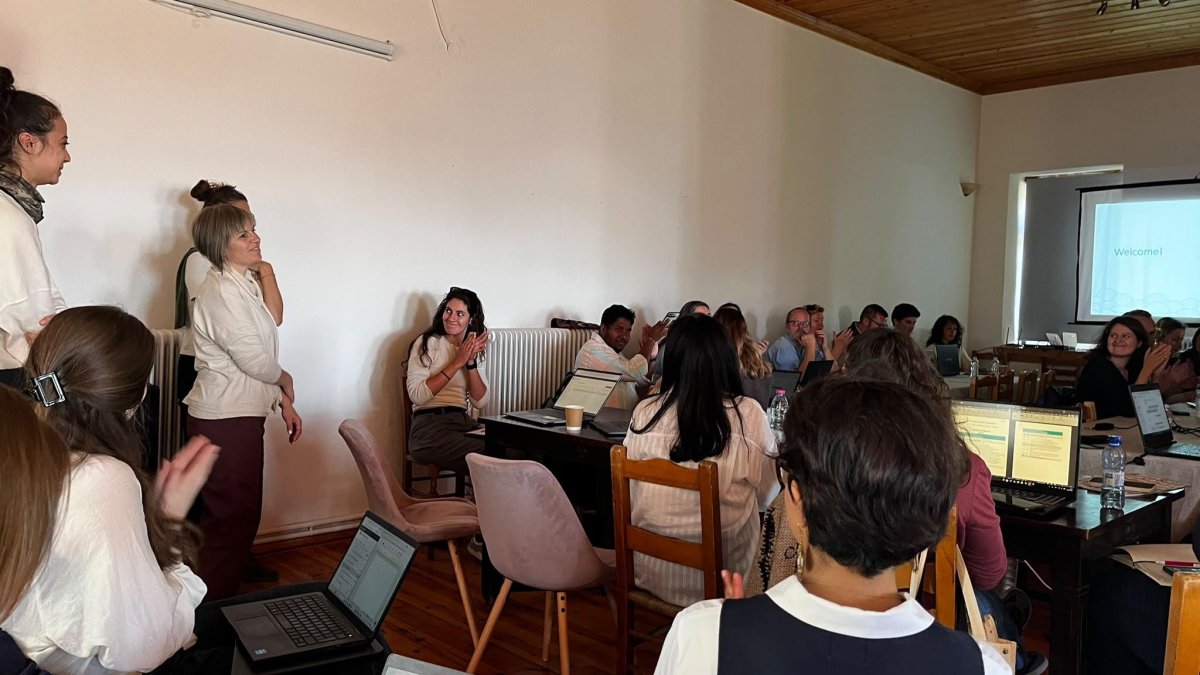
On 20–21 October 2026, RURACTIVE partners gathered in Ano Pedina, Zagori, Greece, for the project's Steering Committee and General Assembly meetings. Hosted in the region of one of RURACTIVE's twelve Dynamos by Ecomuseum Zagori, the meeting provided an opportunity to reflect on progress, exchange experiences from the implementation of place-based solutions and jointly advance the tools and resources being developed to support rural innovation across Europe.
Turning knowledge into practical resources for rural communities
The first day focused on reviewing progress across the project's different fields of work and preparing for the next stages of implementation.
The James Hutton Institute presented its analysis of community-led solutions, providing insights into approaches to rural innovation. Partners also received an update on the roadmap towards the final RURACTIVE Solutions Catalogue, which will bring together inspiring solutions and experiences from rural communities.
Capacity building was another key focus. Bern University of Applied Sciences shared progress on a comprehensive collection of learning resources, including eight thematic online modules, seven thematic booklets and 137 Solution Factsheets. These resources, which will soon be accessible through the RURACTIVE website, aim to support knowledge exchange and strengthen the capacities of rural communities and stakeholders.
Partners from Bern also presented outcomes from the activities of Local Community Trainers in the Dynamos, particularly their efforts to strengthen digital literacy through the organisation of 41 training activities involving more than 400 participants. These experiences will feed into a dedicated report on digital training and implementation across the Dynamos.
Meanwhile, University College Dublin provided updates on the ongoing implementation and monitoring of place-based solutions, the development of a strategy for the long-term sustainability of Rural Innovation Ecosystems (RIEs), and its continued coaching of the sixteen third-party innovators.
CARTIF reported on progress in refining the Adaptive Monitoring Tool, designed to assess the implementation and effectiveness of smart community-led solutions, as part of the ongoing efforts to finalise the tools of the RURACTIVE Digital Hub for rural innovation.
Finally, EURICE highlighted the progress of the upcoming RURACTIVE documentary. Featuring voices and perspectives from rural communities, the film will showcase the people, experiences and innovations at the heart of the project.
Learning from each other and putting new tools to the test
The second day brought the entire consortium together for an interactive General Assembly, placing collaboration and hands-on learning at the centre of the programme.
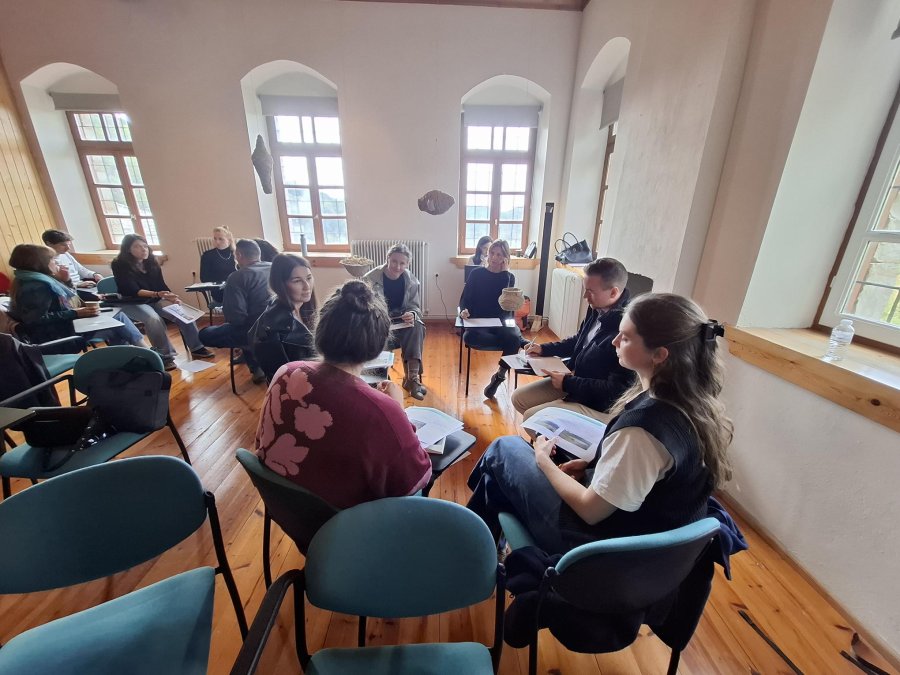
A series of implementation help desks and Dynamo exchange sessions gave representatives from the rural communities an opportunity to consult directly with technical partners and learn from one another's experiences.
Discussions addressed key aspects of implementing place-based solutions, including the integration of RURACTIVE's cross-cutting priorities (climate change, biodiversity and social inclusion), as well as approaches to assessing quantitative and qualitative impacts. The sessions also encouraged Dynamos to share lessons learned, discuss challenges and identify opportunities for mutual support.
Another highlight was the hands-on testing of several digital tools currently under development. Partners explored the newly developed Decision Support Tool, providing feedback to support its further refinement. Dynamo representatives also tested the Adaptive Monitoring Tool, sharing their perspectives on usability, data visualisation and monitoring workflows.
The day concluded with an opportunity to explore the e-learning platform. Participants tested its functionalities and provided valuable feedback to help ensure that the learning resources are accessible, practical and responsive to the needs of their intended users.
These interactive sessions demonstrated the importance of co-creation within RURACTIVE: bringing together technical expertise and local knowledge to develop solutions and resources that respond to real needs in rural communities.
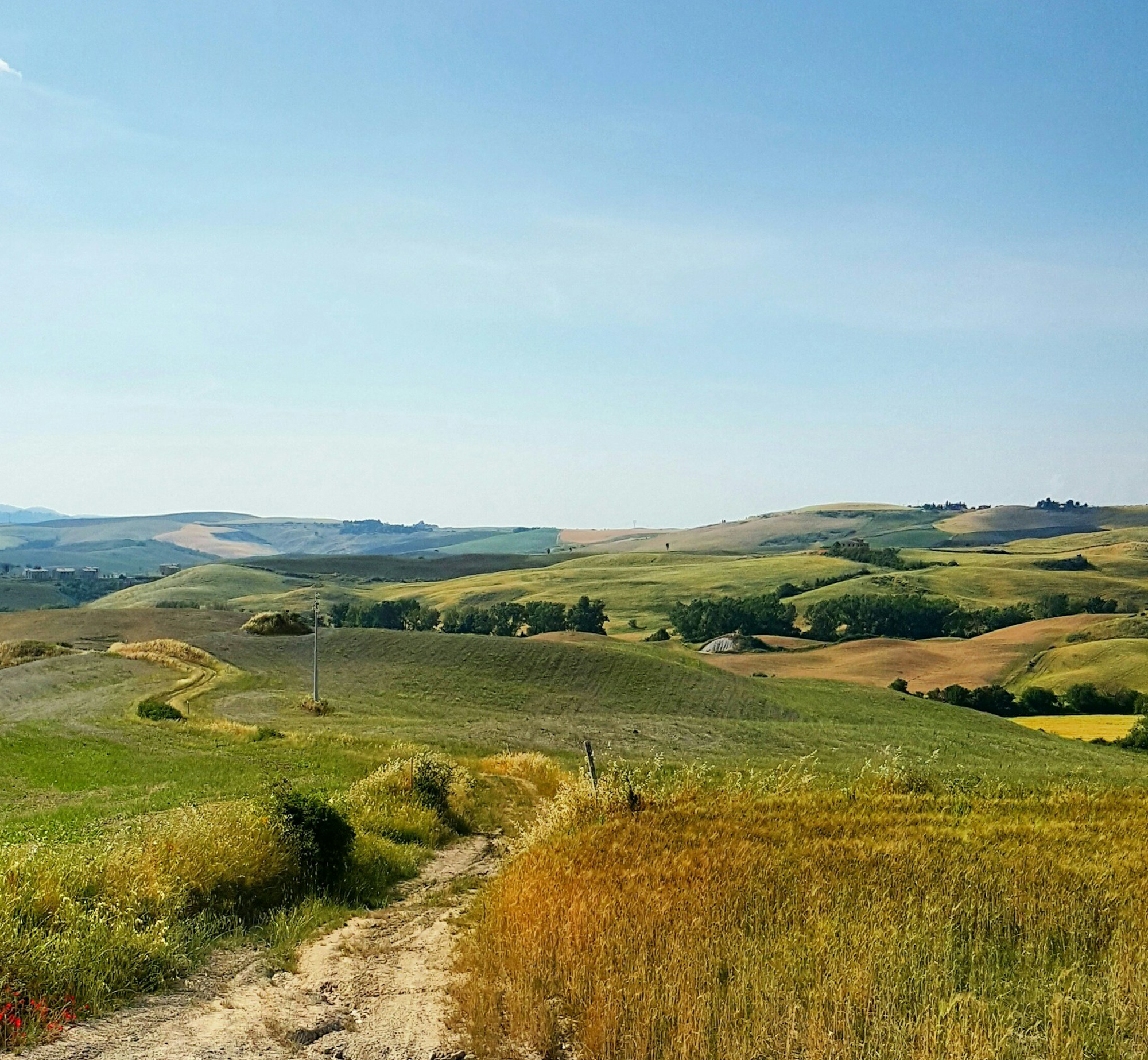
Beyond the formal programme, visits to the Oxya viewpoint overlooking the Vikos Gorge and the exceptionally clear waters of the Voidomatis River provided memorable impressions of Zagori's rich natural heritage. These shared experiences also created space for informal conversations and strengthened connections among project partners.
A truly RURACTIVE week: Experiencing rural innovation in practice
The progress meeting was part of a wider RURACTIVE week in Zagori, which also featured a Peer-to-Peer Exchange and a two-day Masterclass on Rural Innovation, hosted by the Ecomuseum Zagori.
During the Peer-to-Peer Exchange, participants explored local approaches to preserving cultural heritage, biodiversity and rural livelihoods. A walk from Ano Pedina on the restored path to Elafotopos, introduced the Pathways of Art initiative, which uses QR codes to share local stories about transhuman livestock farming, village life and women's contributions to rural communities. Participants also discovered the EchoLoci app, an innovative way of experiencing the region's soundscapes and biodiversity and learned about local initiatives supporting traditional crafts and women's entrepreneurship.
The subsequent Masterclass focused on culture and cultural innovation, as well as nature-based and cultural tourism, exploring their potential to drive sustainable rural development. Through presentations, discussions and practical examples, participants exchanged approaches to building local innovation ecosystems while addressing biodiversity, climate action and social inclusion.
Together, these activities provided inspiring examples of how local knowledge, cultural heritage and community engagement can contribute to vibrant and resilient rural futures.
Looking ahead: Bringing RURACTIVE's results to a wider audience
As RURACTIVE progresses, the focus is increasingly shifting towards consolidating results, strengthening the long-term sustainability of Rural Innovation Ecosystems and making the project's knowledge and tools available to a wider audience.
From the Solutions Catalogue and learning materials to the Digital Hub, decision-support and monitoring tools, and the upcoming documentary, several important outputs are approaching completion.
The meeting in Zagori demonstrated once again that rural innovation thrives through collaboration, knowledge exchange and the active involvement of local communities. A truly RURACTIVE week full of inspiring exchanges, practical progress and renewed motivation to continue shaping more resilient, inclusive and sustainable rural futures!
Stay tuned for more updates as the project's tools, resources and results become available on the RURACTIVE website.